
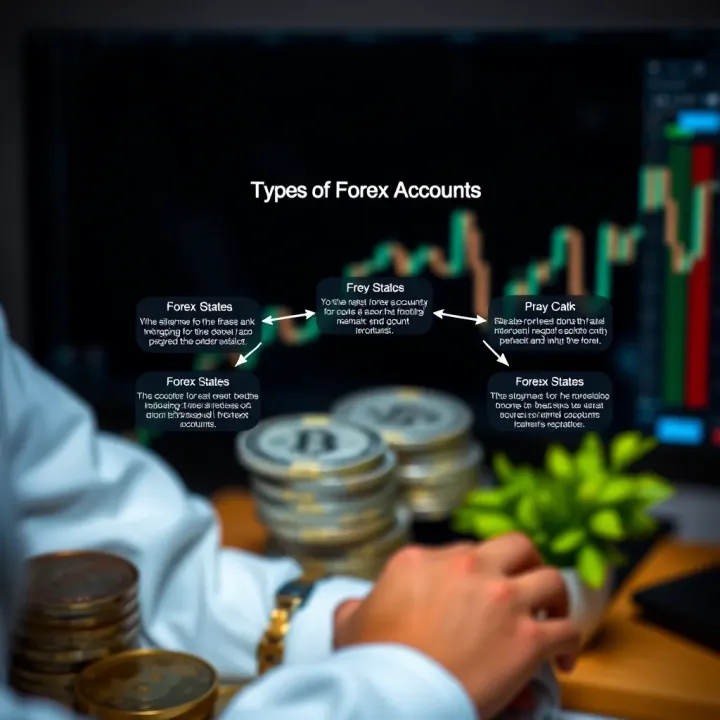
Understanding Forex Accounts for Kenyan Traders
Learn how forex accounts work and pick the right one for you in Kenya 🇰🇪. Get tips on opening accounts, risks involved, and trading smart with KSh in mind 📈💼.
Edited By
Sophie Lawson
Forex demo accounts provide a practical way for Kenyan traders to practise currency trading without risking real money. These are specially designed platforms offering a simulated trading environment that mirrors live markets but uses virtual funds instead of actual cash.
Most forex brokers in Kenya, including well-known names like FXPesa and Exness, offer demo accounts free of charge. Starting one is as simple as signing up on their websites and downloading their trading software or using a web-based platform.
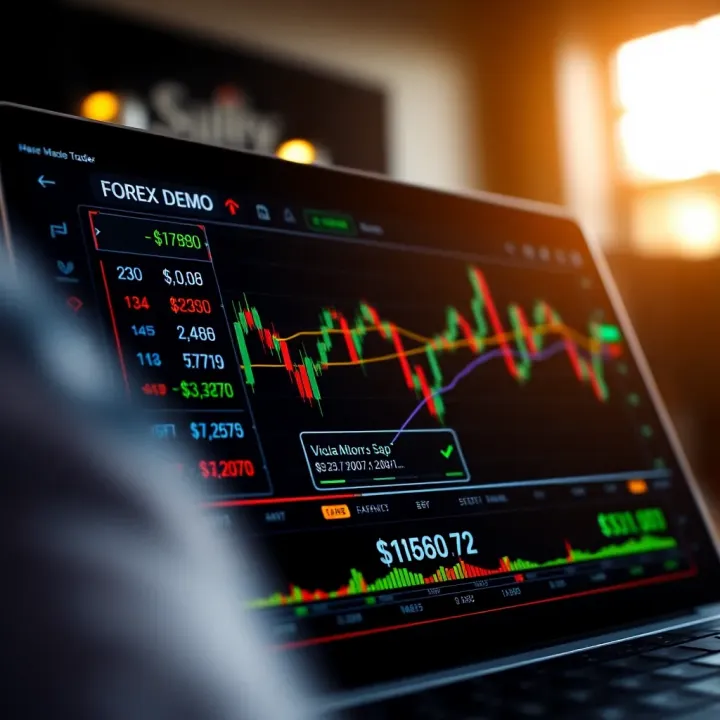
Using a demo account lets you experience real-time trading conditions, including fluctuating exchange rates for pairs like USD/KES or EUR/USD, without worrying about losing KSh.
Demo accounts typically provide the same features as live accounts: access to live charts, market news, technical indicators, and the ability to place buy or sell orders. For example, you can practise setting stop-loss orders or testing different trading strategies like scalping or swing trading.
The major advantage for Kenyan traders is the opportunity to build confidence and understand market behaviour before trading with actual money. Given the volatility of forex markets, jumping in without practice can lead to unnecessary losses. Practising on a demo account lowers this risk.
Many traders use demo accounts to familiarise themselves with specific platforms, such as MetaTrader 4 or MetaTrader 5, which are widely used in Kenya. A newbie might test out automated trading options (Expert Advisors) or learn how to spot key support and resistance levels.
To make the most out of a forex demo account, treat it like real trading. Set daily goals, keep track of your trades, and review both your wins and losses to improve your strategy. Remember, transitioning from demo to live trading should be gradual to adjust to the emotional differences involved.
In Kenya’s growing forex market, demo accounts serve as the first step for anyone serious about trading currencies. Whether you're a hustler looking to diversify income, an entrepreneur understanding global trade impacts, or an analyst testing strategies, a demo account provides a safe playground to sharpen your skills.
This guide will walk you through the key highlights of forex demo accounts, how they work, and how to make sure your practice prepares you for real trading success.
Starting with the basics, a forex demo account is a practice trading account that brokers offer to let you try out currency trading without using real money. This kind of account is crucial, especially for Kenyan traders new to forex, because it provides a safe space to learn the ropes. Imagine you're starting to drive—using a simulator before the actual road helps avoid costly mistakes. The same applies to forex trading.
A forex demo account mimics a real trading account but uses virtual funds instead of actual cash. This means you can place trades, watch price movements, and test strategies just like in live trading but without risking your hard-earned KSh. If you want to understand how fluctuations in the USD/KES pair affect your potential profit or loss, a demo account lets you trial such trades harmlessly.
Demo accounts simulate the real forex market by live-streaming currency prices and allowing order placement as it would happen in live trading. The broker's platform feeds live market data, so when the dollar strengthens against the shilling, you’ll see the impact instantly. However, the execution speed might differ slightly, and some brokers may not replicate slippage or latency that occurs in real trading.
For instance, if you decide to trade the EUR/USD pair on a demo, the movements you see are as close as possible to the live market. This is particularly helpful for Kenyan traders to feel the market's pulse and understand timing without financial pressure.
Most demo platforms provide key features that make practising realistic and effective. These include:
Virtual Capital: Usually starting with KSh 1,000,000-equivalent in the virtual currency to trade without real risk.
Real-Time Charts: Offering live price updates for major and minor currency pairs.
Order Types: Ability to use market orders, limit orders, stop-loss, and take-profit orders just like live trading.
Technical Indicators: Tools such as moving averages, RSI, and Bollinger Bands to analyse price trends.
Trading History: Logs of your trades for reviewing performance and learning from mistakes.
Using these features helps build practical skills, allowing traders to test how certain market news (like CBK policy announcements) affect currency behaviour before risking real money.
In summary, a forex demo account is an essential stepping stone. It offers a near-real experience that helps Kenyan traders sharpen their skills, familiarise themselves with trading platforms, and build confidence before diving into actual forex trading.
Forex demo accounts offer several practical benefits that Kenyan traders should not overlook. These accounts let you practise without risking real money, helping you to get a genuine feel of trading currencies on platforms used by real traders. For anyone starting out or even seasoned investors testing new approaches, demo accounts allow room to learn without the pressure that comes with potential financial loss.

Using a demo account lets you try out trading without touching your hard-earned KSh. It’s like driving a car in an empty parking lot before hitting the busy roads. You get to understand the functions of the trading platform, from placing orders to reading charts, and even navigating complex tools like stop-loss or take-profit settings. For Kenyan traders, who might be exploring platforms like MetaTrader 4 or 5 offered by local brokers, this hands-on time helps reduce mistakes when dealing with actual funds.
One clear advantage is the ability to experiment with different trading strategies without worrying about failure. Say you want to try scalping currencies like USD/KES or EUR/USD during volatile market hours. With a demo, you can test the timing and calculation of your trades multiple times. This trial-and-error approach lets you identify what works and what doesn’t, refining your methods before putting real money on the line. In Kenya, where many traders balance forex trading alongside other hustles, this helps save capital while building real market skills.
A demo account builds your confidence gradually. Watching how price movements respond to real global events—like US Federal Reserve announcements or changes in crude oil prices—and seeing your trades unfold provides invaluable insight. For Kenyan traders, this is key to grasping market rhythms and avoiding emotional decisions once you switch to live accounts. Confidence gained in a demo grows your patience and teaches you when to pull out or hold a position without panic.
Demo accounts aren’t just practice tools; they are mirrors reflecting real market conditions. Use them well to sharpen your skills without risking a shilling.
In summary, forex demo accounts offer Kenyan traders a practical, risk-free environment to build trading skills, try out ideas, and understand markets before trading with real cash. This lowers avoidable losses and prepares you to trade more competently in real-world conditions.
Opening a forex demo account is a straightforward step for Kenyan traders to practise trading without risking real money. Getting this right from the start helps you build a solid foundation before moving to live trading. The process revolves around finding the right broker, completing registration, and tailoring your account settings to mirror real market conditions. Paying attention to these details can enhance your demo trading experience and prepare you for actual currency markets.
Picking a trustworthy broker is critical. Kenyan traders should focus on brokers regulated by recognised bodies like the Capital Markets Authority (CMA) in Kenya, the Financial Conduct Authority (FCA), or other international regulators with good track records. For example, brokers like XM, IG, or Exness provide demo accounts that closely resemble live trading environments.
Reputation matters because it reflects on the platform’s reliability, customer support, and execution speed. In Kenya, dealers who support local payment methods like M-Pesa for deposits and withdrawals add convenience for future live trading. Check reviews and confirm the broker offers demo accounts free of cost with no hidden obligations.
After selecting a broker, you’ll register for a demo account directly on their website or mobile app. Usually, you’ll provide your name, email, and phone number. Some brokers now require Kenyan ID or KRA PIN numbers for verification, which adds legitimacy and protects against fraud.
Once registered, you receive demo login details to access the trading platform—commonly MetaTrader 4/5 or the broker’s proprietary software. The key benefit here is instant access without deposit requirements, allowing you to explore market charts, place trades, and test order types freely.
Remember, a demo account is your playground to learn the ropes. Treat it seriously as though it were real money to build a good trading routine.
To get the most from demo trading, adjust your account settings to simulate live trade conditions as closely as possible. This includes:
Starting balance: Set an amount similar to what you plan to trade with live (e.g., KSh 100,000) to understand realistic profit and loss.
Leverage: Match the leverage offered by your broker for live trading, often ranging between 1:50 to 1:200.
Trading hours: Ensure the demo platform follows the forex market hours, which run 24 hours on weekdays.
Instrument selection: Choose currency pairs that you are interested in, such as USD/KES or EUR/USD, instead of trading random pairs.
Some brokers also allow you to toggle spreads and slippage to reflect current market conditions, which helps manage expectations about transaction costs.
Making these settings realistic prepares you well for how your strategy performs when real money is on the line. It also helps avoid the false sense of security common with overly generous demo parameters.
Setting up a forex demo account properly in Kenya means you're stepping into the market with a strong learning focus, reducing chances of costly mistakes when you transition to live trading.
Using a forex demo account effectively requires more than just opening it and clicking around. To prepare properly for real trading, Kenyan traders need specific approaches that build both skill and discipline. Without clear objectives and careful tracking, the demo account can become another place to lose interest or develop bad habits.
Start with clear goals that mirror what you'd expect in a real trading environment. For example, instead of aiming to double your virtual KSh 1 million demo balance in a week, focus on consistent, small gains that reflect steady strategy application. Setting daily or weekly profit targets based on achievable percentages prevents setting unrealistic expectations.
Similarly, define loss limits. Treat your demo losses as seriously as you would real ones; this means stopping trading for the day if you hit your predefined loss cap. This habit helps build discipline and emotional control, qualities crucial when you move to live trading. Keep in mind that demo environments may encourage reckless trading since there's no real money on the line – setting limits helps mimic real market pressure.
Risk management isn't just about protecting your money; it’s about preserving your ability to trade another day. Even on demo accounts, always use stop-loss orders and avoid risking more than a small percentage of your virtual capital on a single trade. For instance, risking 1-2% of your demo account per trade builds the right mindset on preserving capital.
Practising this consistently will help you get used to applying these rules under different market conditions. Kenyan traders should note that volatile currency pairs like USD/KES can move quickly, so controlling risk is vital. Avoid jumping into high-risk trades without proper analysis – demo accounts are perfect for rehearsing such cautious strategies.
Keeping a trading journal while using your demo account is one of the most productive steps you can take. Record every trade with details like entry price, exit price, reasons for taking the trade, and emotional state during the trade. This will help you identify patterns, strengths, and weaknesses.
For example, you might realize you tend to exit profitable trades too early or hold onto losses longer than necessary. Revisiting these notes weekly shapes a more objective view of your progress and highlights areas needing improvement. Consider using simple spreadsheets or even Kenyan-made trading apps that allow tracking of trading history.
Treat your demo trading like it matters – it’s your training ground for the real thing. Applying clear goals, risk control, and honest self-review sharpens your skills and increases the chance you'll succeed when you trade live.
Using these tips transforms a demo account from a casual experiment into a solid proving ground for Kenyan traders. Practising with purpose prepares you well for what real forex trading demands.
Moving from a forex demo account to live trading is a significant step that requires careful preparation. While demo accounts help you learn the mechanics without financial risk, live trading introduces new challenges, including real money, emotional pressure, and market dynamics. Recognising these differences is key to making a successful transition.
Demo accounts use virtual money and often provide perfect execution without slippage or requotes. In contrast, live trading involves real funds and actual market conditions, where spreads can widen, orders may be delayed, and unexpected price movements can occur. For example, during major economic releases like CBK announcements or US Federal Reserve updates, volatility spikes, affecting trade outcomes. Also, traders on demo accounts lack the emotional stakes; losing KSh 100,000 of your own savings feels different from losing virtual KSh 100,000.
Understanding these differences can prevent frustration when your live trades don't behave exactly as they did on the demo platform. It’s wise to expect some initial hiccups and not leap into large positions straightaway.
Before going live, develop a clear plan that includes starting with small capital suitable to your financial situation—say KSh 10,000 or less—until you build confidence. Consider gradually scaling your trading size as you gain experience. Choose a broker regulated in Kenya or a trusted international broker with a consistent reputation, such as those approved by CMA (Capital Markets Authority).
Set realistic goals and be prepared for the inevitable learning curve ahead. Test your best performing demo strategies with micro lots in the live market first. Implementing a daily trading journal can help track your progress, revealing where your approach needs adjustment.
Live trading can stir emotions like fear, greed, and overconfidence. These feelings often lead to impulsive decisions such as overtrading or abandoning risk management techniques. To avoid this, stick strictly to your pre-planned risk limits—never risk more than 1-2% of your capital on a single trade.
Slow down and take breaks to clear your mind when trades go against you. Remember, losses are part of trading, and trying to recover by chasing the market rarely works. Kenyan traders often face additional pressure from financial responsibilities and social expectations, so managing stress is crucial.
Tip: Practice mindfulness or simple breathing exercises before trading sessions to keep your emotions in check.
Transitioning successfully from demo to live trading takes discipline, patience, and continuous learning. By recognising differences, planning carefully, and managing emotions well, you improve your chances of turning trading into a profitable activity rather than a costly mistake.
Learn how forex accounts work and pick the right one for you in Kenya 🇰🇪. Get tips on opening accounts, risks involved, and trading smart with KSh in mind 📈💼.

📊 Explore demo accounts in Kenya and learn how they help you practice trading risk-free, understand markets, and boost your investment confidence.

📉 Learn to read forex sentiment and gain an edge in Kenya’s currency market. Understand mood shifts, spot trends, and improve your trading strategy today.
📊 Learn how margin works in forex trading, manage risks, and use leverage smartly. A practical guide tailored for Kenyan traders seeking steady growth in forex markets.
Based on 5 reviews