
Understanding Demo Accounts for Kenyan Traders
📊 Explore demo accounts in Kenya and learn how they help you practice trading risk-free, understand markets, and boost your investment confidence.
Edited By
Henry Walsh
Forex trading has caught the attention of many Kenyans as a way to grow their savings or earn extra income. Before you dive in, it’s vital to understand what a forex account is and how it fits into your trading journey. In simple terms, a forex account is where you hold the funds you use to trade currencies on the foreign exchange market.
Opening a forex account is the first step for any trader. Just like you need a bank account to manage your money, the forex account allows you to buy and sell currencies such as the US Dollar (USD), Euro (EUR), or even the Kenyan Shilling (KSh) when it is cross-listed. Brokers provide these accounts and can have different types, tailored to how much money you want to trade and your experience level.
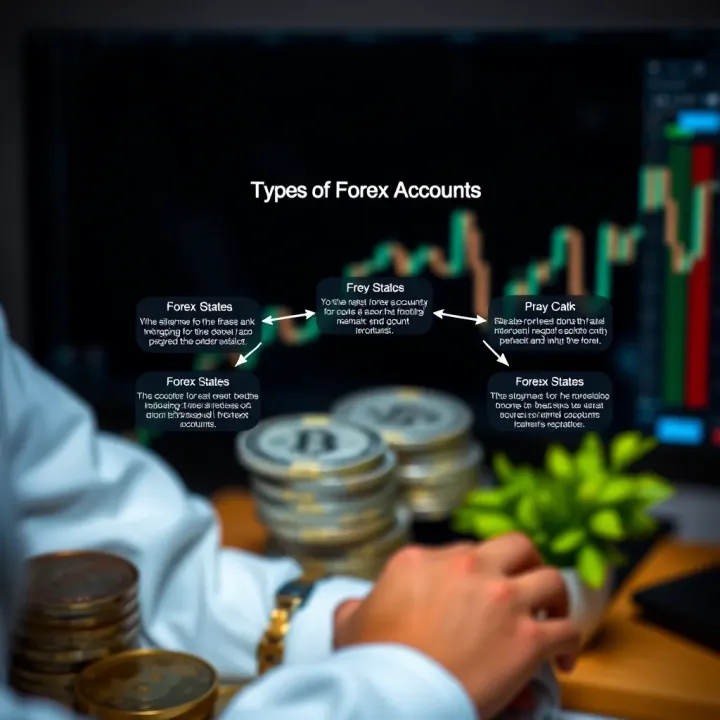
A forex account acts as your gateway to the market—it stores your deposited funds and tracks all your transactions. Without one, you cannot participate in currency trading.
Depending on your budget and goals, you will find accounts such as:
Standard Account: Suitable for regular traders with moderate capital. It usually requires a minimum deposit of around KSh 10,000.
Mini Account: Designed for beginners or traders with less capital, sometimes accepting deposits as low as KSh 1,000.
Micro Account: Even smaller trades are possible here, ideal for learning and testing strategies with minimal risk.
Different brokers might offer other account variations, each with its spread, leverage, and commission. Knowing these features helps you pick an account that matches your risk appetite and trading plans.
Once you open an account, you deposit money, often through platforms like M-Pesa or bank transfers. Your broker keeps these funds safe while you use part of them to open positions on currencies. For example, if you think the USD will strengthen against the KSh, you buy USD with funds from your account. If the rate moves your way, you close the trade and make a profit, which reflects in your account balance.
Keep in mind, forex trading carries risks due to market volatility. It’s not unusual to see rapid gains or losses. Therefore, selecting a reliable broker regulated by recognised authorities and understanding how leverage works is crucial.
This article will walk you through opening a forex account, choosing the right type, and practical tips to trade wisely in the Kenyan context.
A forex account is the foundation that allows Kenyan traders to enter the global currency market. Understanding what it is and how it works helps you navigate forex trading with confidence and clarity. Without such an account, you cannot buy or sell currencies, which is the essence of forex trading.
Forex trading in Kenya has grown partly because traders can open accounts using familiar payment methods like M-Pesa, which makes it accessible. Knowing how your forex account operates ensures you manage risk properly, understand costs, and make informed decisions when trading.
Simply put, a forex account is a trading account that stores your funds and enables you to trade currency pairs. You deposit money into it, and that capital acts as your buying power for participating in the forex market. For example, a Kenyan trader deposits KSh 50,000 into their forex account to start buying and selling USD/KES or EUR/USD pairs. This deposit acts as collateral to open trades.
The account keeps track of your profits, losses, and margin requirements so you can see your net position at any time. Without it, trading forex directly is impossible, since forex markets are decentralized and require an intermediary — your broker — to execute trades on your behalf.
Forex accounts serve as the link between traders and the global foreign exchange market, which operates 24 hours across different cities like London, New York, and Tokyo. Your forex broker uses your account to access the interbank market or liquidity providers for executing trades.
This means your account allows you to tap into currency price movements worldwide from anywhere in Kenya. For instance, when the Kenyan shilling fluctuates against the US dollar, you can act on these changes by trading through your forex account during market hours instead of waiting for banks or bureaux de change.
Forex trading happens when you place orders from your forex account through a broker’s platform. The broker acts as your gateway, executing buy or sell orders for currency pairs on your behalf. Kenyan brokers often provide platforms like MetaTrader 4 or 5, which display real-time rates and let you monitor open trades.
For example, if you expect the euro to strengthen against the US dollar, you log into your forex account, enter a buy position for EUR/USD, and your broker processes the order instantly. The broker charges a small spread or commission for this service, deducted directly from your forex account balance.
Your account balance is the actual amount of money you have deposited plus any profits or minus any losses. However, to open and maintain trades, you need to meet margin requirements — a portion of your balance reserved as collateral.
Suppose you have KSh 100,000 in your forex account but want to trade a position worth KSh 1 million using leverage. The broker might require a margin of 10% (KSh 100,000), which means you can open the trade while only tying up some of your funds. Still, be cautious: trading on margin amplifies both gains and losses, so proper risk management is vital.
Efficiently managing your forex account balance and understanding margin prevents unexpected losses and keeps you in control of your trades.
By grasping these elements, Kenyan traders can better navigate the forex market, tailor their strategies, and safeguard their investments against volatile movements. This foundation is key before exploring account types, brokers, or trading techniques.
Forex trading in Kenya has grown steadily, with more traders looking to tap into the foreign exchange market. Understanding the different types of forex accounts available helps Kenyan traders pick one that suits their trading style, budget, and risk appetite. Each account type offers distinct features, so knowing their practical benefits makes it easier to avoid costly mistakes.
Standard accounts are the most common type offered by brokers. Typically, they require a minimum deposit ranging from KS0,000 to KS00,000, depending on the broker. This deposit amount allows traders to access regular lot sizes — usually 100,000 units of the base currency. With standard accounts, leverage and spreads are relatively competitive, making them suitable for those with some trading experience and capital to back their positions.
These accounts suit traders who want to handle larger trades and can manage the risk involved. For example, an entrepreneur with some disposable income interested in forex as a supplementary investment might find a standard account ideal. The account provides access to a wide range of currency pairs and trading tools, giving more room for strategies like swing trading or short-term scalping.
Mini and micro accounts cater to traders with smaller budgets. The minimum deposit can be as low as KS,000 or even less, requiring capital that fits the average Kenyan retail trader. The trade sizes here are scaled down to 10,000 units (mini) or even 1,000 units (micro). This allows you to take smaller positions, which reduces exposure and risk.
These accounts are particularly popular with beginners just stepping into forex trading. With smaller capital at stake, new traders can learn the ropes without the fear of wiping out large sums. For instance, a university student or someone in Nairobi’s hustler economy could start with a micro account to gain hands-on experience before moving to bigger accounts.
Managed forex accounts put your trading funds under the control of professional money managers. These managers make all trading decisions on your behalf based on agreed strategies and risk levels. Managed accounts appeal to traders who lack the time, knowledge, or confidence to trade actively but still want exposure to the forex market.
The main advantage here is professional oversight, which can lead to consistent returns if you pick a trustworthy manager. However, there are also downsides. Manager fees or performance commissions reduce overall profits, and there’s always the risk of fraud or poor management, particularly with unregulated brokers. Kenyan traders considering this should carefully research the credentials of managers and the broker's reputation.
Choosing the right forex account affects your trading success and capital preservation. Standard accounts suit those ready for bigger stakes; mini and micro accounts provide safer entry points for learners, while managed accounts offer a hands-off approach but with extra costs and risks.
By understanding your needs and financial capacity, you can match the right forex account to your trading ambitions in Kenya’s growing currency market.
Opening a forex account in Kenya bridges you directly to the global currency markets, letting you trade currencies like the US dollar, euro, or even regional favourites such as the Kenyan shilling (KSh). Understanding the process and requirements of opening a forex account is key to starting right and avoiding common pitfalls.
Considerations for regulation and reputation
When picking a forex broker, the most urgent factor is legitimacy. In Kenya, brokers regulated by the Capital Markets Authority (CMA) offer a safer option as they must comply with local laws covering transparency and client protection. A CMA licence assures you that the broker undergoes regular checks and holds client funds separately from company money. Traders should be cautious of brokers operating without any regulatory approval, even if claimed internationally. Reputation also plays a major role; looking up user reviews and community feedback can help avoid scams or poor customer service. For example, brokers like XM or HotForex, popular among Kenyan traders, have a visible regulatory presence and good reputations.
Platforms offered
The forex platform is where you will execute trades, so its reliability and user-friendliness matter. Popular platforms include MetaTrader 4 (MT4), MetaTrader 5 (MT5), and proprietary platforms like those from FXTM or Pepperstone. A good platform should run smoothly on your device—whether a PC or mobile—provide real-time price updates, and include tools for charting and analysis. Some platforms also offer educational resources and technical support, which benefit new traders in Kenya. Before settling with one, test it using a demo account to ensure that it suits your trading style.
Proof of identity and residence
Forex brokers in Kenya require identification documents as part of their Know Your Customer (KYC) rules. Acceptable ID includes a valid national ID card or passport. Proof of residence is often required too, such as a recent utility bill or bank statement that verifies your address. These steps help prevent identity theft and money laundering, protecting both the trader and the broker. Kiwi traders who forgot to upload these might face delays in opening or accessing their account funds.
Filling application forms
Once you have the documents ready, you usually complete an online registration form on the broker's website. This form will ask for personal details, trading experience, and financial background. Honesty here matters because some brokers tailor account types and leverage limits based on your answers. After submitting, there may be a short verification period before your account gets approved. In some cases, Kenyan brokers might also require a brief phone interview.
Using M-Pesa, bank transfers, or cards
Funding your forex account should be straightforward and reliable. Many brokers now accept popular Kenyan payment methods including M-Pesa, which offers instant deposits using your mobile phone. Bank transfers from local banks such as KCB or Equity Bank are also common but may take longer to reflect. Credit or debit cards (Visa, Mastercard) provide another convenient option. Before starting, confirm your broker accepts Kenyan payment channels to avoid unnecessary transfer fees or complications.
Currency options including KSh
Some forex brokers allow account funding and trading in Kenyan shillings (KSh), while others operate primarily with US dollars or euros. Using a KSh account might shield you from currency conversion charges, making it cost-effective for Kenyan traders. However, trading pairs may primarily quote in foreign currencies, so it is useful to understand how currency conversion affects your capital. Brokers offering multi-currency accounts give flexibility, but always check their fee structure.
Starting well with the right broker and an accessible funding method sets you up for smoother trading. Take your time with these steps—they build the foundation for a more confident and controlled forex experience.
Choosing the right forex account is more than just picking a broker; it hinges on understanding key features that directly affect your trading experience and profitability. For Kenyan traders, these features determine how well you can manage risks, control costs, and execute trades efficiently with local realities in mind, such as funding via M-Pesa or Kenyan Shillings (KSh).
Every deal you make involves costs. Spreads—the difference between the buying and selling price—and commissions are the main charges brokers apply. Lower costs mean more of your trading profits stay with you. For example, a trader using a broker with wide spreads will find their small profits eaten up quickly, especially in volatile markets where price moves can be sharp but brief.
Fixed spreads remain the same regardless of market conditions, offering predictability especially during major trading hours. However, they can be slightly higher than variable spreads on average. Variable spreads fluctuate with market volatility—tight during calm times but expanding when markets are turbulent. For Kenyan traders juggling limited capital, understanding this is crucial. If you trade mainly during major sessions like London or New York, variable spreads can save you money. But if you prefer consistent costs for easy budgeting, fixed spreads might suit you better.
Leverage lets you control a bigger position than your actual deposit, which can multiply profits but also losses. Using high leverage without solid risk management can lead to quickly draining your account. Consider a Nairobi-based trader using 1:100 leverage; a 1% adverse price move could wipe out their entire deposit. On the flip side, careful use of leverage can boost returns without needing large capital upfront.
Kenya’s Capital Markets Authority (CMA) has capped maximum leverage for forex traders, often recommending a limit of 1:50 or lower for retail clients to protect them from excessive risk. Brokers regulated in Kenya should adhere to these rules, providing some safeguard against reckless trading. Kenyan traders must verify their broker's compliance with CMA regulations before opening accounts to avoid legal or financial issues.
A clean and intuitive trading platform makes a big difference, especially for new traders still learning the ropes. Look for platforms that offer easy access to charts, order types, and balance info without too much clutter. For example, MetaTrader 4 (MT4) remains popular in Kenya due to its straightforward design and mobile compatibility—great for those trading on-the-go in Nairobi’s busy lifestyle.
Responsive customer support can save you hours or even money when issues arise. Kenyan traders should look for brokers that offer live chat or phone support during local business hours, ideally with Swahili-speaking agents or at least English fluency. This ensures you get clear answers fast, whether you face technical issues or need help with deposits through M-Pesa or bank transfers.
When selecting a forex account, remember: your choice impacts not just your trading costs but your ability to respond to market changes and manage risks effectively. Choose wisely to trade confidently.
Forex trading can be attractive with its promise of quick profits, but it comes with real risks every trader must understand. Managing these risks while applying practical strategies is key to protecting your capital and building steady returns. This section highlights the common risks Kenyan traders face and offers actionable tips to stay on course.
Market volatility is one of the biggest challenges in forex trading. Currency prices can swing sharply within minutes due to news events, economic data releases, or political developments. For example, a sudden announcement about Kenya’s inflation figures or a change in US interest rates can move forex pairs like USD/KES drastically. Such volatility can cause unexpected losses if you’re not prepared or if you trade with too much exposure.
Besides losses, volatility also tests your emotional stability. It’s easy to be tempted into rash decisions like chasing losses or increasing your trade size in panic. This is why understanding and anticipating volatility is practical: it helps you set realistic stop-loss limits and choose appropriate times to trade.
Leverage dangers come next. While leverage lets you control large positions with a small deposit, it magnifies both profits and losses. Most Kenyan brokers offer leverage ratios up to 1:200, but regulators now recommend more caution. A small movement against your position when using high leverage can wipe out your entire account balance very fast. For instance, trading KSh 50,000 with 1:100 leverage effectively gives control of KSh 5 million in currency. Just a 1% adverse price swing means losing your whole deposit.
This double-edged sword makes leverage riskier than many anticipate. That’s why leverage should be used wisely — it’s not a tool for making quick money but rather one for experienced traders aware of how to control risks.
Starting small and learning is the safest path for most Kenyan traders. Putting only a small amount of money—say KSh 5,000 to KSh 10,000—allows you to learn trading dynamics without risking too much. Many new traders fall into the trap of depositing large sums too soon and then feeling the pain of losses hard. Instead, starting with amounts you can afford to lose makes it easier to gain skills and confidence.
Using demo accounts and risk management strategies will improve your abilities and protect your money. Demo accounts, offered free by brokers like HotForex and FXCM Kenya, simulate real trading without risking real money. They allow you to practice placing orders, setting stop losses, and testing strategies under live market conditions.
Beyond practice, always use risk management tools like stop-loss orders and limit the percentage of your account risked per trade—many experts suggest no more than 2%. For Kenyan traders, this could mean risking just KSh 200 on a KSh 10,000 account. This disciplined approach prevents big losses and keeps you in the game longer.
Careful risk management and a steady learning approach turn forex trading from a gamble into a calculated opportunity suited to Kenyan market realities.
By understanding forex risks and following these practical tips, Kenyan traders can navigate the tricky waters of forex with more confidence and better chances of success.
📊 Explore demo accounts in Kenya and learn how they help you practice trading risk-free, understand markets, and boost your investment confidence.
Explore D Trader in Kenya 🇰🇪: Learn step-by-step account setup, smart risk management, key trading tools, and strategies to boost your trading skills 📈💡

📈Explore the world of DB traders in Kenya: who they are, their markets, strategies, risks, and key regulations for a smarter trading approach.
📊 Discover how the Commitment of Traders Report reveals traders’ positions and influences market sentiment, helping you make smarter investment decisions in Kenya.
Based on 6 reviews