
How to Log In to Deriv: Guide for Kenyan Users
Learn how to log in to Deriv trading accounts in Kenya with clear steps for mobile and desktop, security tips, and quick fixes for common login issues 🔐📱💻
Edited By
Jessica Morgan
Peer-to-peer (P2P) derivatives are financial contracts traded directly between two parties without relying on banks or brokers as middlemen. This approach simplifies transactions and can reduce costs, making it quite appealing to traders and investors who want more control over their deals.
Unlike traditional derivatives traded on exchanges, P2P derivatives allow counterparties to customise terms – like the price, duration, and underlying assets – according to their specific needs. For instance, a maize farmer in Rift Valley might enter a P2P contract with a food processor in Nairobi to hedge against future price fluctuations on maize prices without going through a formal exchange.
These contracts are typically created through bilateral agreements where both parties negotiate terms openly or use digital platforms facilitating direct matching. In Kenya, the rise of mobile money platforms like M-Pesa has eased payment settlements, making P2P derivatives more feasible even between parties in different towns.
Key components of a P2P derivative contract include:
Underlying asset: It could be anything from commodities (like tea or coffee), currencies, stock indexes, or interest rates.
Contract terms: Detailing settlement dates, price, amount, and conditions.
Collateral: Sometimes required to manage credit risk between parties.
P2P derivatives can enhance liquidity for smaller players who find traditional markets costly or inaccessible. Entrepreneurs involved in import-export may use currency swaps directly with suppliers to protect against shilling-dollar volatility. Also, brokers and analysts gain fresh opportunities by advising clients on these tailored contracts.
P2P derivatives empower investors to negotiate terms that suit their unique financial goals, offering flexibility not always possible in formal markets.
Despite benefits, risks such as counterparty default, lack of transparency, and regulatory uncertainties linger. Kenya’s capital markets regulator, the Capital Markets Authority (CMA), has issued guidelines on OTC (over-the-counter) products, which P2P derivatives often fall under. Therefore, engaging with vetted counterparties and understanding compliance is vital.
In a nutshell, P2P derivatives are gaining ground in Kenya's financial scene. They offer direct, customised financial contracts but require clear communication and risk management to operate smoothly. Understanding their workings equips traders, investors, and brokers to navigate this evolving market confidently.
Peer-to-peer (P2P) derivatives represent a shift from the usual financial contracts that pass through banks or brokers. Instead, these contracts are made directly between two parties without middlemen. This direct linkage can lower costs and potentially speed up transactions, which is especially useful in markets like Kenya where formal intermediaries sometimes add layers of complexity and expense.
At its core, a peer-to-peer derivative is a contract where two participants agree on specific financial terms related to underlying assets or indexes. The asset could be anything tangible like agricultural products or financial instruments such as shares listed on the Nairobi Securities Exchange (NSE). For example, a farmer might agree with a buyer to fix the price of maize for delivery in three months — a classic derivative contract but done directly between the two without involving a clearinghouse.
These contracts allow participants to hedge risks or speculate on price movements without needing a central party to manage the trade. In practical terms, this means two traders could form an agreement based on agreed conditions, like a currency swap dealing with Kenyan shillings (KSh) and US dollars, tailored to their specific needs.
P2P derivatives provide flexibility in contract design and can open up financial opportunities for smaller traders and investors who may face barriers in traditional setups.
Traditional derivatives usually involve standardised contracts handled through exchanges or clearinghouses that guarantee fulfilment. These intermediaries reduce counterparty risk but add costs and bureaucracy. In Kenya, many traders rely heavily on exchanges for both futures and options, where contracts follow rigid terms.
By contrast, P2P derivatives cut out these middle parties, placing the responsibility of contract enforcement squarely on the counterparty's trustworthiness. This direct deal can be customised in terms of notional amounts, expiry dates, and underlying assets, offering more tailored solutions. However, it also exposes participants to higher counterparty risks — if one party defaults, the other has no clearinghouse to fall back on.
Additionally, P2P derivatives may use technology platforms to connect parties, facilitating quicker negotiations and settlements. This model aligns well with Kenya’s growing reliance on digital financial services like M-Pesa, where peer interactions are common and expedient.
Understanding these distinctions helps traders know when P2P contracts fit their strategies and when opting for traditional derivatives offers more security.

Understanding how peer-to-peer (P2P) derivatives work in practice is key for anyone interested in this financial niche. These contracts bypass traditional intermediaries, allowing direct agreements between parties. This setup can reduce costs, increase flexibility, and open up trading opportunities that might not exist through standard financial institutions. However, it also calls for careful attention to participants and process.
The main players in P2P derivatives are the counterparties directly entering the contract. Usually, these include investors, traders, brokers, or institutional clients who want to hedge risks or speculate without going through a clearinghouse or exchange. For example, a banana exporter in Kisumu might enter a P2P derivative contract with an importer in Mombasa to lock in a forward price for foreign currency, guarding against shilling fluctuations.
Additionally, technology platforms sometimes act as facilitators by providing the marketplace or infrastructure but do not intervene in pricing or execution. Brokers or fundis familiar with derivatives may also serve as advisers, helping participants structure contracts suited to their risk profiles.
Several P2P derivative contracts are popular in practice:
Forwards: Simple agreements to buy or sell assets at a future date and agreed price. For instance, a coffee farmer might lock in a price for their harvest to be received in three months.
Swaps: Contracts where parties exchange cash flows or risks, such as interest rate or currency swaps. Banks in Nairobi might use currency swaps to balance foreign currency exposure between each other.
Options: Agreements giving one party the right, but not obligation, to buy or sell an asset at a set price before expiry. Investors might use options on securities or commodities without an intermediary.
Each contract type carries different terms on delivery, payment, and duration. The nature of P2P trading means these can be customised beyond what's standard on exchanges.
Execution in P2P derivatives relies heavily on the counterparties’ agreement and trust. Instead of an exchange setting prices, parties negotiate terms directly. For example, two traders might use an online platform to discuss and finalise a currency swap tailored to their cash flow needs.
Settlement varies depending on contract terms. Physical delivery of the underlying asset is possible, but many P2P contracts settle financially. For example, at expiry, if an agreed forward rate differs from the spot rate, the difference is paid as cash.
Unlike traditional derivatives, P2P trades may lack centralised clearing, so parties must manage counterparty risk carefully to avoid defaults.
Record-keeping and verification often employ blockchain or distributed ledger technologies in Kenyan pilot projects to build trust and ensure transparency. These tools help reconcile payments and maintain contract integrity.
Understanding these practical elements helps traders and investors navigate P2P derivatives effectively, making informed decisions on contract types, counterparties, and risk management in Kenya's growing financial ecosystem.
Peer-to-peer (P2P) derivative trading brings both opportunities and risks that investors and traders must weigh carefully. Understanding these advantages and challenges is key to making informed decisions in Kenya’s growing financial landscape.
P2P derivatives reduce reliance on traditional intermediaries like brokers or clearinghouses. This can significantly lower transaction costs, making these products more accessible to smaller traders or investors. For example, a Nairobi-based investor wanting exposure to a commodity like coffee futures might strike a direct contract with another party on a P2P platform, cutting out the usual brokerage fees.
Besides cost benefits, P2P derivatives offer greater flexibility in contract terms. Traders can tailor contracts to match their specific risk appetite and investment goals — a flexibility often missing in standardised exchange-traded derivatives. This customisation is ideal for entrepreneurs or investment clubs who want to hedge exposure to local markets or unique assets.
Also, P2P trading can speed up execution. Without intermediaries slowing the process, counterparties can negotiate and settle deals quickly, which is useful in fast-moving markets like currency or agricultural produce prices. Platforms that support instant M-Pesa payments further ease the transaction process, providing liquidity in the hustler economy.
However, P2P derivatives have downsides that traders can’t ignore. Counterparty risk stands out — there’s no central body guaranteeing the deal. If a counterparty fails to honour the contract, the other party may face losses with limited legal recourse, especially when contracts cross county or national borders.
Liquidity is another concern. Because these contracts are often bespoke, finding a willing buyer or seller when you want to exit a position might prove tricky. Unlike NSE-traded products, P2P markets can be thin and volatile, causing price swings that might exceed expectations.
Legal and regulatory uncertainties also pose challenges. Kenya’s financial laws are still evolving in regard to P2P derivatives, which leaves traders exposed to changing rules or enforcement practices. This ambiguity means it’s critical to understand local legislation and monitor changes by bodies like the Capital Markets Authority (CMA).
Traders should always perform due diligence on counterparties and understand the legal environment before engaging in P2P derivatives to mitigate risks effectively.
Balancing the benefits against the challenges requires careful preparation. Using reliable platforms, clear contracts, and sound risk management strategies helps investors harness P2P derivatives’ potential while protecting themselves from unexpected pitfalls.
Regulation plays a key role in shaping the peer-to-peer (P2P) derivative market in Kenya. Without clear rules, investors and traders face uncertainty that can discourage participation or expose them to fraud. Kenyan authorities aim to balance innovation with protection, ensuring that these financial instruments operate transparently and fairly within the market.
Kenya’s financial sector is governed by laws enforced mainly by the Capital Markets Authority (CMA) and the Central Bank of Kenya (CBK). While specific legislation for P2P derivatives is still evolving, existing frameworks on derivatives and securities set important standards. For example, the CMA Act regulates market conduct, requiring market players to be licensed and adhere to disclosure obligations. Moreover, the CBK oversees payment and settlement systems, which indirectly impact P2P derivative trading, especially on technology platforms that facilitate fund transfers.
The Proceeds of Crime and Anti-Money Laundering Act (POCAMLA) also applies. Platforms or individuals dealing in P2P derivatives must integrate Know Your Customer (KYC) procedures to prevent illicit activities. As an illustration, any P2P platform connecting buyers and sellers must verify identities thoroughly before allowing trades.
Protecting consumers is critical, given the complex nature of derivatives and the risk of losses. Kenyan laws require transparency about contract terms, risks involved, and potential costs. One practical challenge is ensuring that all parties fully understand the product, especially in P2P setups without financial intermediaries explaining details. The CMA has previously warned investors about the risks of unregulated financial products, underscoring the need to engage only with licensed operators.
Market integrity focuses on preventing manipulation, insider trading, or unfair practices that could distort prices or disadvantage participants. This concern is significant in P2P derivative trades, which may lack standardisation and central oversight. Kenyan regulators routinely monitor market activities and may impose penalties on anyone caught manipulating trades or spreading false market information.
Kenyan regulation aims to foster a financial market where P2P derivatives can grow responsibly, underpinned by trust and legal certainty. Understanding these rules is essential for anyone looking to trade or offer P2P derivatives within Kenya’s market.
In practice, these legal and regulatory frameworks offer users confidence that the platforms and contracts they deal with comply with recognised standards. For instance, investors using licensed platforms can access dispute resolution channels if problems arise. Hence, staying informed about CMA and CBK notices helps traders avoid pitfalls and spot trustworthy opportunities.
Navigating these regulations might seem complex, but they ultimately protect you from fraud, unfair practices, and unanticipated losses. Engaging with legal advisers or licensed brokers familiar with P2P derivatives in Kenya can enhance your trading experience by ensuring compliance and safeguarding your investments.
Engaging in peer-to-peer (P2P) derivative trading can open exciting opportunities but also presents unique challenges. Practical advice in this area helps traders and investors navigate direct contracts confidently without the usual safety nets from intermediaries. Understanding how to identify trustworthy counterparties, use the right technology, and manage risks is key to success in Kenya's evolving P2P derivatives market.
Choosing a reliable counterparty is crucial because these trades lack traditional brokers or clearinghouses. Start by verifying the counterparty's background and financial health—look for established track records or references. For example, a fellow trader with verified history on a local P2P trading platform or a registered company within the Capital Markets Authority (CMA) framework can inspire more confidence. Keep communication open and transparent to gauge professionalism. Avoid counterparties with vague or unverifiable details to minimise the risk of default or fraud.
Technology is the backbone of P2P derivative trading. Platforms that provide secure environments, clear contract terms, and real-time updates enhance trust and efficiency. Choose platforms offering features like automated contract execution, digital wallets supporting M-Pesa payments, and identity verification. For instance, some Kenyan fintech apps now integrate M-Pesa for seamless margin payments, making it easier for local traders. Additionally, tools like blockchain can secure contracts and maintain transparency, reducing settlement disputes.
Because P2P derivative deals bypass intermediaries, managing risk requires active strategies. Always set clear exposure limits based on your risk appetite. Diversify your contracts to avoid heavy losses from one counterparty or asset. Use stop-loss clauses within contracts to automatically limit losses if the market moves unfavourably. Regularly monitor market trends—Kenyan markets can be volatile around election periods or during fluctuating commodity prices. Having a contingency plan, such as setting aside emergency funds or securing collateral, also helps cushion unexpected shocks.
Practical experience combined with careful preparation can transform P2P derivative trading from a risky bet to a worthwhile investment avenue. Kenyan traders who master these steps will better handle the market's ups and downs.
In summary, start by confirming your counterparty’s reliability, leverage technology platforms suited for local payment methods, and actively manage risks through clear limits and fallback plans. These steps don't just safeguard your investments—they help you build a sustainable trading approach in Kenya's P2P derivative scene.
Learn how to log in to Deriv trading accounts in Kenya with clear steps for mobile and desktop, security tips, and quick fixes for common login issues 🔐📱💻
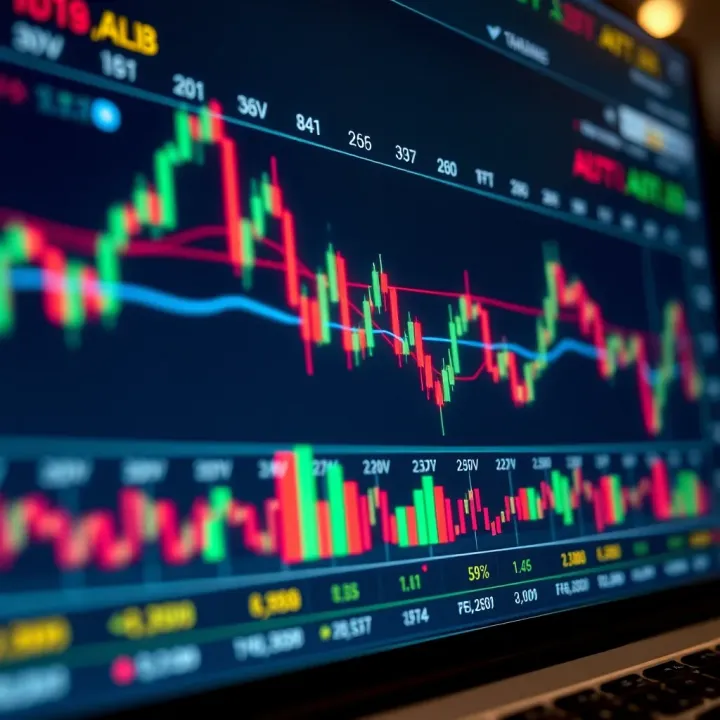
Learn how to trade forex in Kenya 🇰🇪 with clear steps on market basics, risk management, broker choice, and strategies for better trading results. 📈💰

📱 Thinking of trading in Kenya? Discover key features, security tips, costs, and user feedback to pick the best app that fits your needs.
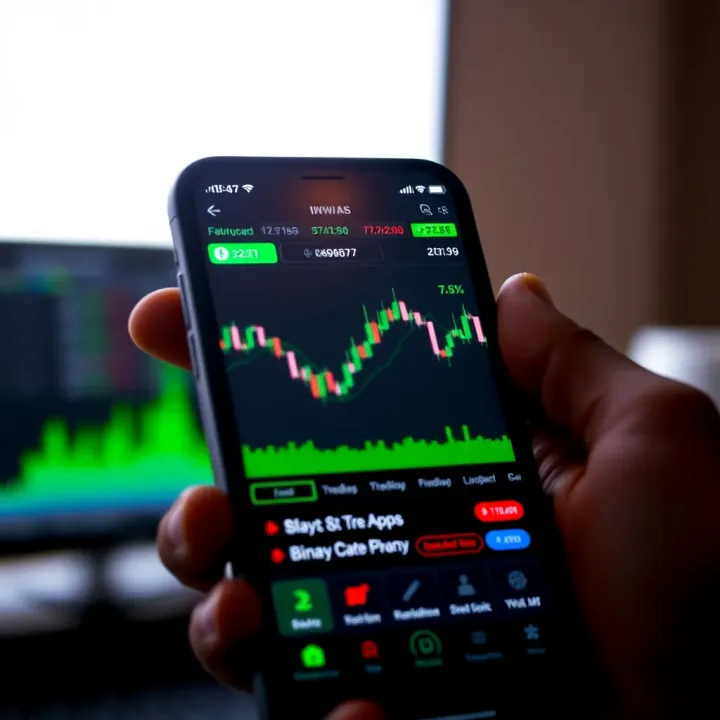
Discover the top binary trading apps for Kenyan traders 📱. Learn key features, benefits, risks & safe trading tips to pick the best app for your needs.
Based on 5 reviews