

How to Choose the Best Trading App in Kenya
📱 Thinking of trading in Kenya? Discover key features, security tips, costs, and user feedback to pick the best app that fits your needs.
Edited By
Grace Palmer
PayPal remains a popular platform for Kenyan entrepreneurs, traders, and small business owners handling international transactions. However, withdrawing funds from PayPal to a local Kenyan account can seem tricky due to limited direct integration with local banks or mobile wallets like M-Pesa.
This guide explains practical ways to access your PayPal money smoothly within Kenya's digital payment landscape. It focuses on linking Kenyan bank accounts, using M-Pesa, understanding associated charges, and navigating common hurdles.

Many Kenyans depend on PayPal for freelancing, exporting goods, or trading on global platforms. Yet, without clear withdrawal methods, funds often get stuck or attract unnecessary fees. By understanding the options available, you can save time and money.
Note: PayPal does not currently support direct transfers to M-Pesa in Kenya. Instead, funds usually move through linked bank accounts before reaching mobile money wallets.
Key points covered include:
Steps to link Kenyan bank accounts (Equity Bank, KCB, Co-op Bank) to PayPal
Using PayPal withdrawal to Kenyan banks, then transferring via M-Pesa
Typical fees involved and how to minimise them
Security tips to keep your account safe during transactions
For traders and investors dealing with foreign clients or selling goods online, timely withdrawal means liquidity to reinvest or cover expenses, making this knowledge essential. Understanding withdrawal routes ensures your business runs without cash flow interruptions.
This article aims to deliver clear, detailed info with examples familiar to Kenyan users instead of vague references or complicated banking jargon. Expect easy-to-follow advice that fits Kenya's payment ecosystem and regulatory setup.
With this groundwork, the following sections will walk you through the complete PayPal withdrawal process designed to help you access your hard-earned funds effortlessly.
Understanding how PayPal withdrawal operates in Kenya is vital for anyone dealing with international payments. PayPal is a popular platform for freelancers, traders, and entrepreneurs who earn from overseas clients or marketplaces. Knowing the exact steps and options to move funds from PayPal into local currency helps avoid unnecessary delays or fees, making the whole process smoother and more cost-effective.
Before you can withdraw money, you need to verify your PayPal account. This usually means linking and confirming an email address and submitting identification documents, such as your national ID or passport. This step is not just a formality: it protects your account from fraud and unlocks higher withdrawal limits. Without verification, PayPal may restrict access or hold your funds.
Linking your Kenyan bank account or debit card to PayPal is the next crucial step. Banks like Equity Bank, KCB, and Co-operative Bank support PayPal withdrawals, allowing you to move money directly into your local account. Adding your bank details correctly ensures that withdrawals get processed without hiccups. Also, PayPal accepts some international cards for withdrawals, though linking local bank accounts tends to be easier and cheaper.
Kenyan users can withdraw PayPal funds directly to their local bank accounts. This method usually takes a few days for the money to reflect, depending on your bank's processing time. For example, a trader with a KCB account will see the funds in their mobile banking app within 2-4 working days. This option is generally suitable for larger transactions since the fees tend to be lower compared to mobile money withdrawals.
M-Pesa has become a preferred way for many Kenyans to receive money fast. Though PayPal does not directly support withdrawals to M-Pesa, users often link their PayPal to a Kenyan bank account and then transfer money instantly to M-Pesa. Some third-party services also offer PayPal to M-Pesa transfers, but caution is necessary to avoid scams or high fees. For small business owners or freelancers needing quick access to cash, M-Pesa is the fastest and most convenient option.
For Kenyan users, setting up PayPal correctly and knowing the withdrawal routes ensures timely access to funds. Always double-check linked accounts and withdrawal methods to avoid complications.
Withdrawing money from PayPal smoothly is vital for Kenyan users relying on both local businesses and online platforms. Understanding the detailed steps can save time and prevent mistakes that might cause delays or losses. This section breaks down the withdrawal process clearly, helping you manage your PayPal funds effectively.
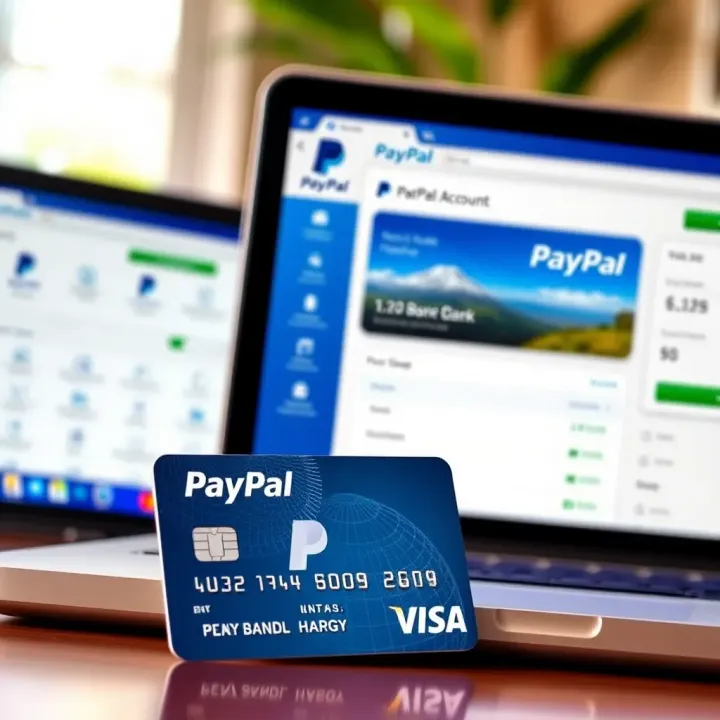
Once you log into your PayPal account, the dashboard serves as your control centre. You'll find an overview of your balance, recent transactions, and options like Send, Request, or Withdraw. For Kenyans, locating the withdrawal option is key. This is usually labelled as ‘Withdraw Funds’ or ‘Transfer Money’. It’s practical to familiarise yourself with this layout because a cluttered or unfamiliar dashboard can cause confusion during urgent transfers.
For example, if you are running a small e-commerce shop and suddenly receive payments, quickly navigating from your dashboard to the withdrawal section ensures you get your money to your bank or M-Pesa promptly.
Kenyan PayPal users mainly withdraw funds into linked local bank accounts or sometimes through international bank transfers. The method you pick affects fees, timing, and convenience. If you link a Kenyan bank account, you can withdraw directly in Kenyan shillings, but it often takes a few business days for the money to appear.
Choosing between a bank account and other possible withdrawal methods depends on your immediate needs. For instance, if you run a business in Nairobi and need quick access to funds for daily expenses, withdrawing to your bank linked with mobile banking apps allows instant use. Selecting the correct withdrawal channel is essential for smooth financial flow.
Withdrawals to Kenyan banks typically take between 2 to 5 business days, depending on the bank and processing times, especially during weekends or public holidays. For some banks like Equity or KCB, transfers might clear faster if they participate actively in digital banking.
Knowing these timeframes helps you plan cash flow better. For example, if you expect a withdrawal to settle before paying suppliers, understanding the potential wait prevents you from over-committing funds you don't yet have.
Currently, PayPal does not officially support direct withdrawals to M-Pesa accounts. So, Kenyan users generally withdraw to bank accounts linked to PayPal and then transfer the funds to M-Pesa or use mobile banking to access them.
It's practical to have your bank account fully linked and verified to avoid delays. Once the funds reach your bank, you can use your bank’s mobile app or USSD to move money to M-Pesa for local transactions or bill payments. Keeping track of this two-step flow is important to avoid confusion or repeated transfers.
Always double-check the bank details before confirming withdrawal to avoid lost funds. Many Kenyans have faced delays due to incorrect account numbers or unverified bank links.
Understanding these steps and timeframes ensures that PayPal withdrawals in Kenya happen without stress, setting you up better to manage your finances whether for business or personal use.
For Kenyan users, withdrawing money from PayPal isn't always as straightforward as it looks. While PayPal is convenient for receiving payments from abroad, several common issues can complicate the withdrawal process. Understanding these challenges helps you prepare and navigate them better, ensuring your hard-earned money reaches you smoothly.
One major concern is the currency conversion when moving funds from PayPal (usually in US dollars or euros) to Kenyan shillings (KSh). PayPal applies its own exchange rate, which often differs unfavourably from the market rate offered by commercial banks or the Central Bank of Kenya (CBK). For instance, if PayPal offers KSh 110 per dollar while CBK’s rate is KSh 115, you lose value on every transfer.
On top of that, the conversion fees can quietly eat into your balance. This means if you're withdrawing KSh 100,000 equivalent from PayPal, the actual amount deposited into your local bank or M-Pesa might be noticeably less after PayPal’s rates and fees.
To mitigate this, Kenyan users often compare withdrawal timings with market shifts or sometimes transfer their funds in larger lumps — fewer conversions mean fewer losses. Checking exchange rates regularly and timing withdrawals accordingly can save quite a bit over time.
Another frequent hurdle involves account restrictions or verification troubles. PayPal requires verification to secure your account and prevent fraud, especially for users handling significant transactions. In Kenya, delays in confirming linked bank accounts or IDs through the PayPal system can stall access to funds.
For example, a user might link their Equity Bank account but face repeated requests for documentation due to mismatched information or expired IDs. Until these issues clear, PayPal may limit withdrawal amounts or temporarily freeze the account.
Also, Kenyan users should be aware that PayPal’s policies around verification often change, especially concerning businesses or high-volume accounts. Regular updates and clear records help avoid unexpected hiccups.
Below are some quick tips to handle these challenges effectively:
Keep all your identification documents updated and matched exactly with your PayPal profile.
Confirm your linked bank or M-Pesa accounts early to allow processing time.
Monitor your email and PayPal messages closely for any verification prompts.
Facing verification delays or unexpected currency losses can be frustrating, but staying informed and proactive significantly reduces withdrawal problems.
Understanding these common challenges lets you better manage your PayPal withdrawals from Kenya. By addressing currency conversion and verification issues early, you keep your money flowing without unnecessary hold-ups or hidden costs.
Understanding the costs and fees involved in withdrawing money from PayPal is essential for Kenyan traders, investors, and entrepreneurs. These charges affect the final amount you’ll receive, influencing your cash flow and profitability. Knowing where fees apply helps you plan withdrawals smarter and avoid unpleasant surprises.
Paypal levies fees mainly during currency conversions and withdrawal transactions. If you receive money in a foreign currency and want to convert it to Kenyan shillings, PayPal adds a conversion fee on top of the mid-market exchange rate. Typically, this fee ranges between 3% to 4%, depending on the currency pair. For instance, converting USD to KSh via PayPal will cost slightly more than the actual exchange rate due to these charges.
When withdrawing funds from PayPal to your linked bank account, PayPal itself may charge a fixed withdrawal fee or a percentage of the withdrawal, depending on the method and account type. While linked bank withdrawals to Kenyan banks often attract a smaller fee, other PayPal withdrawal options elsewhere may have higher costs.
Keep in mind: Paying attention to the exchange rate and conversion fees can save you thousands of shillings, especially when dealing with larger sums.
After PayPal sends money out, local fees kick in. Withdrawals to Kenyan bank accounts can attract bank charges, which vary by financial institution. Commonly, banks in Kenya charge between KSh 20 and KSh 50 for mobile money or electronic transfers, plus possible fees for receiving foreign currencies or cross-border remittances. It’s wise to check your specific bank’s policy.
Using M-Pesa for PayPal withdrawals involves an extra step via services like PayPal-PESA integrations. While M-Pesa does not charge for receiving funds sent from PayPal through third-party platforms, cashing out or transferring the money within M-Pesa might cost standard withdrawal or transfer fees. For example, withdrawing KSh 10,000 from M-Pesa agents usually costs about KSh 26 to KSh 42 depending on the amount.
To put this into perspective, say you withdraw KSh 50,000 from PayPal through M-Pesa:
PayPal conversion fee: approximately KSh 2,000 (4%)
M-Pesa withdrawal fee: about KSh 42
Your effective deductions sum up and reduce your net money.
Being upfront with these cost components while planning your PayPal withdrawals helps you keep control of your finances and choose the most cost-effective method. Traders and entrepreneurs dealing with regular PayPal payments should factor these fees into pricing or budget forecasts to avoid unexpected losses.
Withdrawing money from PayPal in Kenya is generally straightforward, but security matters cannot be ignored. The digital environment is rife with attempts to defraud unsuspecting users. Keeping your PayPal withdrawals secure protects not just your funds but also your personal details and peace of mind. This section highlights practical steps to reduce risk and use trusted channels, helping Kenyan users avoid common pitfalls.
The biggest threat to PayPal users when withdrawing funds is fraud or unauthorised access. To start, always enable two-factor authentication (2FA) on your PayPal account. This adds an extra layer beyond your password, making it harder for scammers to break in with stolen credentials. For instance, after entering your password, you’ll need to approve a login through a text message code or an authenticator app.
Next, beware of phishing scams that try to trick you into revealing your login details. Attackers often send emails pretending to be PayPal, asking you to click a link and "confirm" your account details. Kenyan users must verify all official communication by logging in directly to PayPal instead of clicking links in messages. Remember, PayPal never asks for passwords or PINs via email or phone.
Regularly reviewing your transaction history helps spot unauthorised withdrawals early. If you notice any strange activity, report it to PayPal and your bank immediately. Also, keep your computer and mobile devices secure by using updated antivirus software and avoiding public Wi-Fi when making financial transactions.
Once your account is secure, it’s vital to withdraw money using trusted, verified channels. Linking your PayPal account to a local bank like Equity Bank or KCB ensures smoother transfers. Always confirm that the bank account name exactly matches your PayPal profile to avoid delays or rejected withdrawals.
For those preferring mobile money, withdrawing to M-Pesa is a trusted option since Safaricom is the dominant and regulated provider in Kenya. However, never share your M-Pesa PIN or push money request codes over phone or chat unless you are certain of the recipient.
Avoid using third-party services or unverified agents claiming to help with PayPal withdrawals. Many of these are scams designed to steal your funds or personal details. When dealing with any new platform or app, research their reputation thoroughly and check for user reviews specific to Kenyan users.
Always be cautious and keep control of your accounts. Using secured devices, avoiding suspicious links, and dealing only with trusted banks or M-Pesa providers will keep your PayPal withdrawals safe and reliable.
Following these tips ensures your hard-earned money reaches you without hitches, giving you confidence in using PayPal within Kenya’s evolving digital payment ecosystem.
📱 Thinking of trading in Kenya? Discover key features, security tips, costs, and user feedback to pick the best app that fits your needs.

📈 Explore Deriv trading in Kenya: learn the basics, tools, platforms, risks, and strategies for confident, informed decisions in this clear guide.

📈 Explore Deriv Trader in Kenya: features, trading options, account tips, security, and support to trade smart and confident. Start your journey now!

🔍 Understand Deriv status easily! Learn how to check, interpret, and update it, plus common issues faced by users in Kenya’s deriv platforms.
Based on 7 reviews