

Best Forex Brokers in Kenya with Low Minimum Deposits
Looking for forex brokers in Kenya with low minimum deposits? Discover safe, regulated options and tips to start trading confidently! 💹🇰🇪
Edited By
Thomas Walker
In Kenya, the way people manage money and trade currencies has shifted dramatically over the last few years, thanks mainly to the convenience of M-Pesa. For anyone dipping their toes into forex trading here, knowing which brokers accept M-Pesa can make or break the experience.
Using M-Pesa as a payment method means you can make deposits and withdrawals quickly without the usual headaches of international wire transfers or credit cards. This is vital because time is money in forex trading, and every second counts.
This article dives right into the top forex brokers operating in Kenya that support M-Pesa, focusing on the features, terms, and benefits that Kenyan traders should look out for. From understanding the fees involved to the platforms' reliability and customer service, you’ll get a solid grip on what suits your trading style and financial needs.
Whether you're a seasoned trader, an investor trying to diversify, or just starting out in the forex market, this guide will help you navigate the options available and choose a broker that makes your trading as smooth as possible. Let's get straight to the point and see which brokers really stand out for Kenyan traders using M-Pesa.
Remember, picking the right broker is not just about lowest fees — it’s also about trust, ease of use, and how well they fit your trading goals.
When stepping into the world of forex trading in Kenya, it's important to get a solid grasp of the landscape. The local market has seen a steady rise in participation, with many Kenyans taking advantage of the forex scene to diversify income streams. This section breaks down why this growth matters and what role convenient payment tools like M-Pesa play.
Kenya's forex market hasn’t just expanded overnight—it’s been shaped by increased internet access and smartphone use. For example, in the last five years, there has been a notable jump in trading volumes thanks to younger traders using platforms from brokers like HotForex and FXPesa. They're attracted by relatively low entry barriers and the potential for high returns. However, this growth isn’t without its challenges; traders must navigate regulatory complexities and varying broker reputations.
Mobile payments have revolutionized everyday transactions in Kenya, and forex trading is no exception. M-Pesa, in particular, is a favorite among forex traders for several reasons.
M-Pesa is popular among Kenyan forex traders because it’s fast, widely accessible, and user-friendly. With millions of Kenyans already using it for everyday transactions, integrating M-Pesa with forex trading platforms makes funding accounts and withdrawing profits hassle-free. For instance, a trader can deposit funds into their ForexTime (FXTM) account directly via M-Pesa without needing bank transfers or credit cards, which might involve longer processing times.
The benefits of using M-Pesa for forex trading go beyond convenience. Its security features help minimize fraud risks common in online transactions. Also, M-Pesa transactions are often instant, so traders don’t have to wait for deposits to process before they start trading. Another perk is its widespread acceptance; even lesser-known or newer brokers increasingly accept M-Pesa, making it easier for beginners to start with smaller investments.
Using M-Pesa with forex brokers simplifies payments and lowers barriers for Kenyan traders to engage in international markets while keeping cash flow secure and transparent.
Thanks to these advantages, M-Pesa continues to strengthen the bridge between Kenyan traders and the global forex market, making it a cornerstone for seamless trading experiences.
When choosing a forex broker in Kenya, especially one that supports M-Pesa, knowing their key features can save you from headaches down the road. It's not just about the ability to deposit and withdraw money; it’s about the whole trading experience. Kenyan traders want brokers who make transactions smooth, secure, and flexible with a variety of trading options.
For example, imagine you’re looking at three brokers—Broker A lets you send money with M-Pesa, but charges a hefty fee and takes days to process withdrawals. On the other hand, Broker B offers instant M-Pesa transactions with minimal fees but has a limited selection of currencies and CFDs. Then there's Broker C, which not only accepts M-Pesa but complies with local regulations and provides a wide trading platform tailored for diverse strategies. Knowing these details helps you pick what fits your style and needs.
The whole point of integrating M-Pesa with forex brokers is to make deposits and withdrawals straightforward. A broker that takes forever to credit your account after a deposit, or delays payouts, can cost you valuable trading opportunities.
Kenya’s forex scene is unique because M-Pesa is widely trusted and used daily. The best brokers have integrated M-Pesa directly into their platforms, allowing real-time funding and withdrawals without extra steps. For instance, Exness and XM are popular ones that make this easy for Kenyan traders.
Consider a trader wanting to jump on a sudden market movement. Waiting a day or two for funds to clear could mean missing out. So check if the broker processes M-Pesa payments instantly or if they have any minimum deposit limits that might block quick entry.
This part isn’t just about fancy certificates; it’s about trust. You want your money and personal details safe from fraud or shady practices. Brokers regulated by entities like the Capital Markets Authority (CMA) of Kenya or other reputable bodies such as the FCA (UK) usually follow strict rules to protect traders.
Security also means your M-Pesa transactions should be encrypted and handled securely to avoid interception. Beware of brokers promising the moon but with no clear regulatory oversight—these can be risky, and you might hear stories from locals who lost funds through such platforms.
A good forex broker doesn’t limit you to just a handful of currency pairs. Instead, it offers a variety of instruments like CFDs on commodities, indices, stocks, and cryptocurrencies. This diversity allows Kenyan traders to spread risk or chase different opportunities without hopping from one broker to another.
For example, a forex trader who also wants exposure to gold prices or the Nairobi Securities Exchange indices might look for brokers with these options alongside currency trading. FXTM and HotForex are examples of brokers offering a wide range of assets while supporting M-Pesa for payments, making them attractive choices.
Choosing a forex broker that balances easy M-Pesa transactions with security and diverse trading tools is key. Don't just settle for one feature; consider the whole package to trade confidently.
Understanding these key features ensures that you invest your time and money with brokers who suit your trading goals and lifestyle, especially in the Kenyan market where M-Pesa plays a vital role in daily transactions.
Having a reliable forex broker that accepts M-Pesa is a game-changer for Kenyan traders. M-Pesa's widespread use in Kenya makes it a natural choice for funding trading accounts quickly and securely. Not every broker supports this method, so knowing which ones do can save you hassle and delays.
A broker that supports M-Pesa allows you to deposit and withdraw money without needing a bank account, which is huge for many traders. It’s especially handy for small or beginner traders who want to start trading forex without jumping through too many hoops. When choosing a broker, factor in transaction speed, fees, and how user-friendly their M-Pesa integration is.
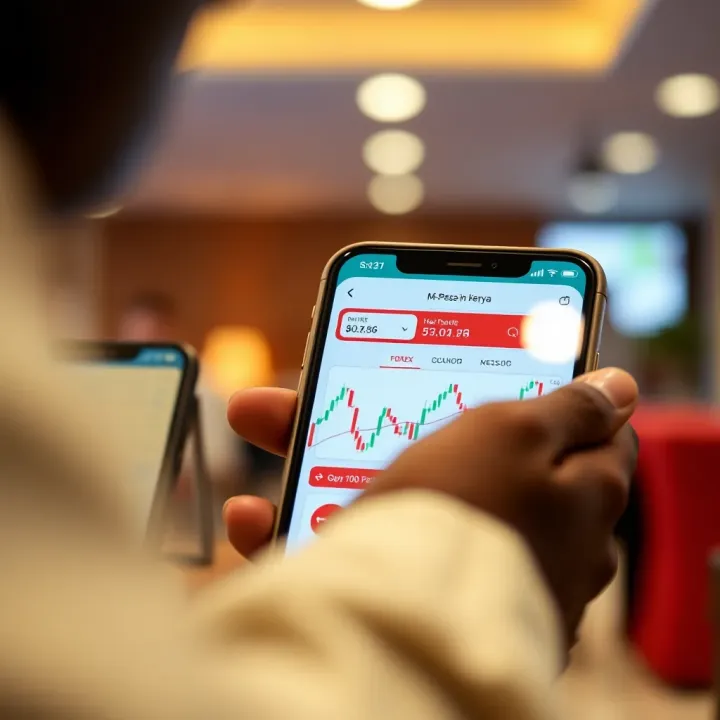
Broker A stands out thanks to its straightforward M-Pesa deposit process and low minimum deposit requirement of just 1,000 KES. This makes it accessible for new traders or those wanting to test the waters without risking a lot. Plus, it offers a wide range of instruments including forex pairs, commodities, and indices.
What’s practical here is their mobile app’s real-time notifications for deposit confirmations. It helps traders avoid those anxious moments waiting for funds to clear. Broker A is licensed by the Capital Markets Authority (CMA) in Kenya, adding a layer of trust. For Kenyan traders who appreciate local language support, their customer service responds quickly in Swahili and English.
Broker B is popular for its competitive spreads and no hidden fees on M-Pesa transactions, which can save you quite a bit, especially if you're trading often. Their platform includes advanced charting tools that suit traders looking for more technical analysis capabilities.
What makes Broker B appealing is the option for instant M-Pesa withdrawals—all within the same day—unlike some brokers where you wait for days. Their demo account is another plus, allowing traders to practice using M-Pesa deposits and withdrawals before going live.
Broker C targets professional traders with higher-volume trading and offers premium features like leverage up to 1:200, and a variety of account types tailored to different experience levels. Their M-Pesa integration is robust, including 24/7 support specifically for payment-related issues.
An added benefit is their educational resources available in local languages and webinars about forex trading combined with M-Pesa usage tips. If you're the kind who likes learning while trading, Broker C's community and ongoing tutorials can be a significant support.
It's no secret that fees and spreads eat into your potential profits. Here’s a quick rundown:
Broker A charges a fixed spread starting at 1.5 pips, with no withdrawal fee on M-Pesa.
Broker B offers variable spreads from 0.8 pips but adds a small M-Pesa deposit fee around 0.5%. Withdrawals are free.
Broker C has spreads starting at 1.2 pips and charges a nominal withdrawal fee of about 50 KES.
Choosing a broker isn’t just about the lowest fees; consider how those fees relate to your trading volume. For example, if you trade frequently, Broker B’s smaller spreads might save you more despite a minor deposit fee.
User experience varies with platforms, but all three brokers provide web-based and mobile versions compatible with Android and iOS.
Broker A’s interface is clean, making it easy for beginners to place orders and manage deposits via M-Pesa without confusion. Broker B caters more to tech-savvy traders with customizable dashboards and high-quality charting tools.
Broker C balances the two by offering a range of usability options, including one-click trading and quick access to account funding history. Their M-Pesa payment feature is embedded within the platform, making it faster to move cash in and out.
Smooth platform navigation coupled with quick and safe M-Pesa transactions ensures that Kenyan traders don't miss out on market opportunities due to payment delays or complicated interfaces.
Choosing the right broker with solid M-Pesa support boils down to matching their strengths to your trading style and needs. Think about your priority: Do you want ease of use, low costs, or rich features? Making an informed choice here saves you headaches down the line.
Getting started with a forex broker that accepts M-Pesa payment comes down to two main steps: setting up your trading account and funding it through M-Pesa. This section is key because many traders in Kenya rely on M-Pesa for its convenience and speed. If you skip or mess up these basics, you could face delays or even miss out on trading opportunities.
Knowing exactly how to register without fuss and how to transfer money using M-Pesa sets you up for smooth trading from day one. Let’s break down each part so you can confidently open your forex account and get it ready for trading.
Most brokers offering M-Pesa support keep the registration straightforward, but a few small details might confuse first-timers. Here’s a typical path:
Select Your Broker: Choose one of the trusted brokers accepting M-Pesa—say, Exness, XM, or HotForex.
Visit Their Website: Click on the "Sign Up" or "Open Account" button.
Fill in Basic Info: You’ll enter your full name, email address, phone number (linked to your M-Pesa), and create a password.
Verify Your Phone: Some brokers send an SMS code to verify your phone; this step ensures your M-Pesa wallet details are correctly linked.
Submit Identification: Regulations require proof of identity and address, typically a Kenyan ID or passport plus a utility bill. Upload these documents following the broker’s instructions.
Wait for Approval: Most brokers approve accounts within 24-48 hours, sometimes sooner.
This process might seem a tad formal, but it’s necessary to keep your funds safe and comply with Kenyan regulations. Most brokers have site guides or chat support if you get stuck.
Once your account is active, depositing Kenyan shillings is as easy as a few taps on your phone. Here’s how you can fund your forex account with M-Pesa:
Log In to Your Broker Account: Head to the deposit section.
Choose M-Pesa as Payment Method: This triggers specific payment instructions.
Follow Deposit Instructions: Usually, you will use the Paybill or Till number provided by the broker.
Complete the Transaction on M-Pesa: Using your phone, go to the M-Pesa menu, select Paybill, enter the broker’s business number, your account/wallet number, and the amount.
Confirm: M-Pesa sends a confirmation SMS, and the broker’s platform soon reflects the deposit—often instantly or within minutes.
Example: If you deposit KSh 10,000 to HotForex using M-Pesa, you’d enter their Paybill number (e.g., 123456), your trading account number in the account reference, followed by the amount. The deposit hits your trading account without needing to convert currencies or deal with bank delays.
Taking money out after you’ve made profits should be just as hassle-free as depositing. Withdrawals usually follow these steps:
Log In to Your Broker Dashboard: Navigate to the withdrawal or cashout page.
Select M-Pesa as Withdrawal Option: Confirm your registered M-Pesa number.
Enter the Amount: Put in how much you want to withdraw, mindful of any minimum limits.
Submit Request: Brokers typically review withdrawal requests within a few hours.
Receive Funds: Once approved, the money should land in your M-Pesa wallet—typically within 24 hours.
Remember, some brokers may charge small withdrawal fees or have limits on how often you can withdraw in a month. It’s smart to check their terms before trading.
By following these steps carefully, Kenyan traders ensure their forex trading experience is straightforward and reliable, avoiding common hiccups like lost payments or delayed withdrawals. M-Pesa’s integration makes funding intuitive, allowing you to focus on trading rather than payment headaches.
Trading forex with M-Pesa offers Kenyan traders convenience and speed, but it also comes with its own set of considerations. Knowing some key tips can help avoid costly mistakes and make the process smoother. For instance, understanding how to verify a broker's credibility or managing risks effectively can save you from headaches down the line.
Before depositing a single shilling via M-Pesa, it’s wise to confirm if the broker is legit. Many unscrupulous platforms pop up attracted by Kenya’s growing market. You can check for licenses issued by reputable authorities like the Capital Markets Authority (CMA) in Kenya or internationally recognized bodies such as the Financial Conduct Authority (FCA) in the UK.
Another simple step is to read user reviews on trusted forums and trading communities; they often reveal patterns of withdrawals delays or poor customer service. Also, test the broker's customer support yourself. If they dodge your questions or take forever to respond, consider that a red flag.
Pro tip: Use websites like Trustpilot or Forex Peace Army to cross-check brokers. If their claims don’t match user experiences, step back.
Forex trading always carries risk, but you can minimize it by setting realistic goals and sticking to strict money management principles. For example, never put all your capital in one trade and use stop-loss orders to cap possible losses. Also, trade small amounts initially while you’re still getting the hang of things.
Since M-Pesa handles your funds, be careful with deposit sizes to avoid exceeding your comfort zone financially. Don’t chase losses by throwing in more money hoping the market will turn. Instead, treat trading as a calculated venture, not gambling.
A practical example: If you start with KSh 10,000 in your M-Pesa wallet, try limiting risking only 1-2% per trade, meaning you wouldn't risk more than KSh 100-200 on any single position.
The appeal of using M-Pesa is often how fast deposits and withdrawals can be, but sometimes delays happen due to network issues or broker processing times. To get around this, try to make deposits during regular banking hours since brokers' finance teams are usually more responsive then.
Also, double-check your M-Pesa transaction details before confirming to avoid errors that cause refund delays. If you find your withdrawal is taking longer than usual, contacting the broker’s support early can speed things up.
Some brokers also offer to link your M-Pesa account directly to their platform, reducing manual input errors and speeding up deposits. If available, it's a feature worth exploring.
Remember: Quick deposits and withdrawals are great, but safety comes first. Always verify transactions and keep a transaction log for reference.
By focusing on these practical pointers, Kenyan traders can make the most of M-Pesa's flexibility while navigating forex trading with greater confidence and fewer headaches.
When trading forex in Kenya using M-Pesa, traders often encounter a few roadblocks that can disrupt the smooth flow of transactions. Recognizing these challenges and having practical fixes at hand is essential to avoid unnecessary delays or losses. This section sheds light on what can go wrong with M-Pesa payments for forex and how traders can navigate these hurdles efficiently.
Transaction failures are a common hiccup whether depositing funds or withdrawing profits via M-Pesa. These failures can happen for several reasons, ranging from network disruptions to incorrect payment details. Imagine submitting a deposit but getting a "transaction failed" message after waiting for several minutes—that can shake your confidence.
To tackle this:
Double-check payment details: Always verify the paybill number and account reference before sending funds. Small typos can lead to failure or sending money elsewhere.
Monitor M-Pesa balance and limits: Insufficient balance or exceeding daily limits can cause the transaction to bounce.
Retry during off-peak hours: Sometimes, the mobile network might be congested. Doing transactions early morning or late evening can improve success rates.
Contact customer support promptly: Both your broker and Safaricom have channels that can help reverse or trace failed payments.
Here's an example: Trader Jane once experienced a failed deposit because the broker's paybill number changed, but Safaricom hadn’t updated her phone’s M-Pesa app yet. After confirming with the broker and Safaricom, she used the updated paybill number and funding went through smoothly on her second try.
M-Pesa enforces transaction limits that sometimes restrict large payments needed for forex trading. For instance, the daily transaction limit for M-Pesa is capped (currently around Ksh 300,000 for personal accounts). If you're funding a big trading position, this limit may require multiple payments or account upgrades.
Here's how to manage that:
Upgrade to a business or premier M-Pesa account: Business accounts typically have higher transaction ceilings.
Split deposits into smaller chunks: Instead of one big payment, use several smaller payments spread through the day.
Plan trades according to limits: Knowing your limits helps avoid unexpected funding blocks mid-trade.
To sum it up:
Knowing common issues like transaction failures and payment ceilings helps traders prepare better. Don’t let M-Pesa hiccups stall your market moves! Keep payment details accurate, communicate with your broker promptly, and plan deposits smartly around M-Pesa limits.
Handling these challenges wisely ensures your forex trading journey with M-Pesa is as smooth as possible, keeping your focus where it belongs—on making smart trades and managing risk.
Wrapping things up, understanding the landscape of forex brokers in Kenya that accept M-Pesa is essential for making smart trading choices. This method has made transactions a breeze for many, but knowing how to navigate broker options and avoid pitfalls ensures smoother trading experiences. For a Kenyan trader, having a reliable payment option like M-Pesa linked with an efficient broker can cut down unnecessary delays and frustrations.
By getting familiar with the brokers we discussed and how their services stack up, you’ll be able to pick the most fitting platform for your trading needs. The importance here isn’t just convenience—it’s about securing your funds, minimizing costs, and trading with brokers that play by the rules.
When assessing brokers, consider their fees, spreads, and platform usability alongside M-Pesa integration. For example, brokers like FxPesa and AAFX Trading stand out because they combine competitive spreads with straightforward M-Pesa deposits and withdrawals. On the other hand, platforms such as Exness offer intuitive interfaces and fast payment processing cycles that Kenyan traders praise.
Each broker varies: some focus on low entry barriers with minimal deposit amounts, while others provide a rich selection of currencies and commodities beyond forex pairs. It’s wise to look at what suits your trading style—whether that’s scalping, swing trading, or long-term investing—and the instruments offered.
Remember, it’s not just about who accepts M-Pesa but also how securely and quickly they handle transactions.
Starting off on the right foot means checking regulatory credentials—an FSCA, CMA Kenya, or FCA license should be flags of credibility. Never rush into deposits without confirming these certifications. Next, take time to practice on demo accounts many brokers provide; it’s a safe way to get your bearings without risking real cash.
Manage risk by setting stop-loss levels and only trading amounts you can afford to lose. M-Pesa’s ease sometimes tempts traders into frequent deposits, but discipline remains key. Keep track of payment limits intrinsic to M-Pesa and your broker’s own policies—this avoids unexpected transaction failures.
Finally, build a support network. Whether forums, local trading groups or mentorship—the extra eyes and experience can save you from mistakes that cause costly setbacks.
Putting the pieces together, Kenyan forex traders now have a clearer path to leveraging M-Pesa with trusted brokers. By blending knowledge with caution, you can turn forex trading from a guessing game into a skillful pursuit.
Looking for forex brokers in Kenya with low minimum deposits? Discover safe, regulated options and tips to start trading confidently! 💹🇰🇪

Explore how Deriv and M-Pesa work together 🇰🇪 for easy online trading and payments 💸 in Kenya. Get tips, fees info, and security advice 🔒.

⏰ Discover the best forex trading times for Kenyan traders. Learn how global sessions affect activity and get tips to time trades for success! 📈
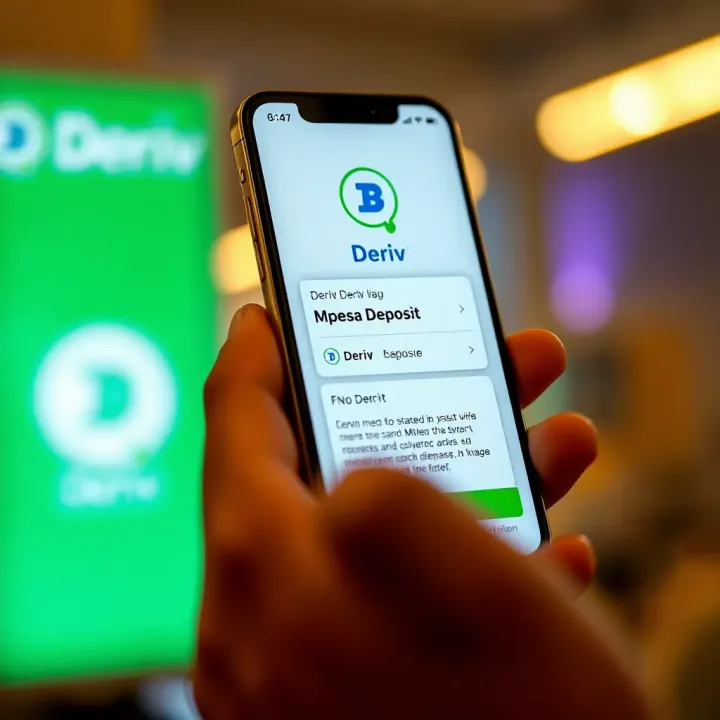
Learn how to easily deposit funds with Deriv Mpesa in Kenya 📲💸. Explore benefits, safety tips, common issues, and alternatives for smooth transactions.
Based on 8 reviews